October 13, 2026
When structural demands exceed the capacity of surface soils, traditional shallow footings are no longer a viable option. Modern construction projects frequently encounter weak topsoil, heavy structural loads, or challenging environmental conditions that threaten long-term stability. Securing your investment requires looking beneath the surface to advanced deep foundation engineering. By anchoring structures into denser, lower strata, deep foundations provide the essential stability needed for commercial, industrial, and heavy infrastructure developments across Texas and surrounding states.
According to Home Advisor, concrete slab foundations maintain structural integrity for up to 200 years, whereas other foundation designs offer a viable lifespan between 75 and 100 years. Choosing the right deep structural support system ensures your project achieves that upper limit of performance and longevity.
Examine the Load-Bearing Dynamics of Deep Foundations
Deep foundation systems are engineered to transfer heavy structural loads past weak, upper soil layers down to competent bedrock or dense soil strata below. When surface soils lack sufficient load-bearing capacity, a specialized pier drilling contractor excavates deep into the ground to reach stable support zones. These systems interact with sub-surface formations through end-bearing resistance, skin friction, or a combination of both. End-bearing capacity acts much like a column resting on a solid base, transferring weight straight down to hard rock. Skin friction utilizes the surface area of the deep column to distribute loads along its entire vertical profile within dense soil layers.
Understanding these load distribution mechanics helps structural engineers determine how deep a foundation must go to prevent differential settlement. Without this deep engagement, heavy buildings constructed on soft or expansive soils face severe structural movement and failure. By transferring loads downward, deep foundations safeguard structures against soil erosion, seasonal moisture fluctuations, and dynamic environmental forces. Professional engineering teams evaluate soil borings and stratification data to design deep support systems custom-tailored to site-specific load requirements.
Identify Environmental Factors That Require Deep Support
Environmental conditions throughout Texas and surrounding states present unique challenges for building foundations. High clay content, expansive soil movement, and fluctuating groundwater levels severely compromise shallow footing stability. During wet seasons, expansive soils swell and lift shallow footings, while dry seasons cause soil contraction and sudden settlement. Engaging a reliable pier drilling contractor allows builders to bypass these unstable surface zones completely by anchoring deep into stable moisture zones.
Coastal areas, river basins, and low-lying marshlands also introduce high water tables that destabilize shallow earthworks. In these flood-prone or waterlogged environments, deep structural support prevents foundation scour, lateral soil displacement, and severe subsidence. Furthermore, urban developments frequently involve high-density vertical building, requiring heavy foundations that can withstand massive axial and lateral forces. Implementing deep structural support mitigates these environmental threats, ensuring the building remains stable regardless of surface climate volatility.
Compare Primary Deep Foundation Methodologies
Engineers rely on several proven deep foundation methodologies depending on soil characteristics, space restrictions, and load specifications. Driven piles, drilled shafts, and caissons serve as the primary options for deep structural reinforcement in modern construction. Driven piles are prefabricated steel, concrete, or timber columns knocked into the earth using heavy impact hammers, making them ideal for long open stretches. However, vibration from pile driving can disturb surrounding structures in densely populated urban settings.
Drilled shafts, often installed by an experienced pier drilling contractor, offer a quiet, low-vibration alternative created by excavating a vertical shaft and filling it with reinforced concrete. Caissons are large, watertight structures sunk deep into the ground or underwater environments, frequently utilized for massive projects like bridge abutments or marine piers. Each system provides specific structural advantages, allowing engineers to match the precise foundation type with site-specific soil challenges and building parameters.
Evaluate the Construction Advantages of Drilled Shafts
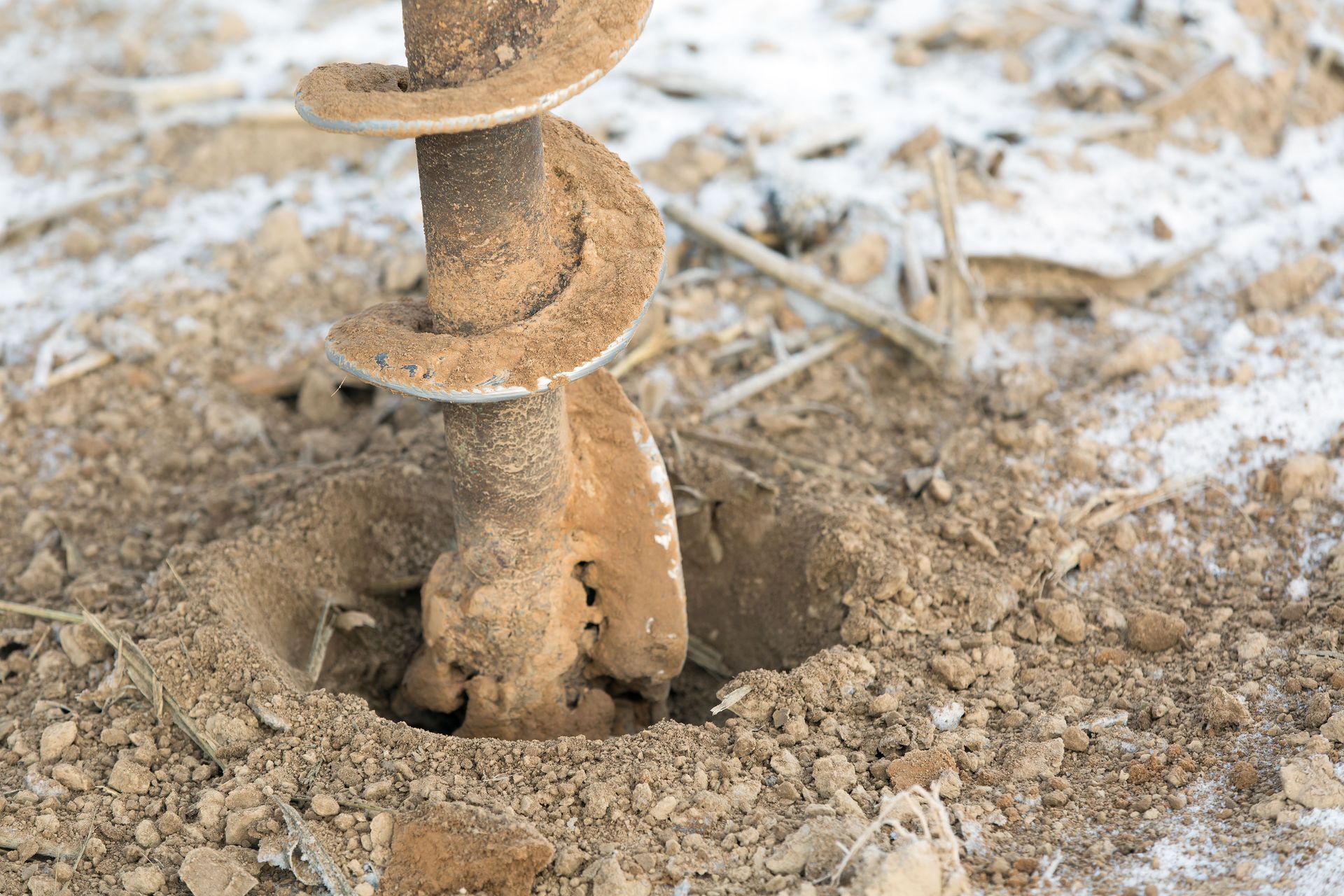
Drilled shafts stand out as one of the most adaptable and high-capacity deep foundation solutions available today. Because these shafts are excavated directly into the ground, a pier drilling contractor can drill through tough subterranean layers, including hard shale and solid rock formations. This drilling capability allows shafts to achieve massive load capacities in a relatively small footprint compared to spread footings.
Additionally, drilled shaft construction generates far less noise and ground vibration than traditional pile driving. This makes drilled shafts the preferred choice for infill construction, hospital additions, and urban infrastructure developments near existing buildings. The excavation process also allows engineers to visually inspect the soil and rock layers brought up from the hole, confirming that actual subterranean conditions match initial geotechnical reports before concrete is poured.
Execute Comprehensive Geotechnical Investigations
Every successful deep foundation project begins with an exhaustive geotechnical investigation conducted by structural and soil experts. Geotechnical engineers drill exploratory borings across the construction site to retrieve soil and rock samples from various depths. These samples undergo rigorous laboratory testing to analyze shear strength, moisture content, compressibility, and soil plasticity.
The resulting geotechnical report provides the critical data needed by the design team to calculate foundation depth and load capacity. Skipping or rushing this investigative stage creates immense financial and structural risk, as unexpected underground rock shelves or soft clay pockets can lead to foundation failure. Partnering with a skilled pier drilling contractor during pre-construction ensures that site data translates directly into efficient drilling methodologies and structural design execution.
Analyze the Long-Term Economics of Structural Support
While deep foundation installations require higher upfront capital investments compared to simple shallow footings, their long-term economic benefits are substantial. Shallow footings installed in poor soil conditions frequently experience foundation settlement, leading to cracked walls, structural misalignment, and costly retrofits down the road. Investing in deep structural support eliminates these chronic maintenance issues by anchoring the building into reliable bedrock from day one.
When evaluating project budgets, commercial developers must consider total lifecycle costs rather than initial construction expenses alone. A high-quality foundation protects the primary structural asset, preserves property valuation, and lowers long-term insurance premiums. Working with a fully insured pier drilling contractor mitigates risk during construction while providing long-term structural guarantees that reassure financial investors and insurance underwriters.
Navigate Regional Building Codes and Permitting Standards
Constructing deep foundation systems requires strict adherence to local building codes, environmental regulations, and municipal permitting requirements across Texas and surrounding states. Regulatory frameworks mandate precise engineering oversight, material testing, and continuous field inspections throughout the drilling and concrete placement phases. Project managers must coordinate closely with municipal inspectors to ensure full compliance with structural standards.
In addition to local structural codes, deep foundation projects near waterways or sensitive environments must satisfy strict environmental protection guidelines. Managing slurry disposal, controlling groundwater runoff, and preventing soil erosion during excavation are critical operational priorities. Hiring a licensed pier drilling contractor ensures that all site practices align with state environmental mandates, preventing regulatory fines and costly project delays.
Assess Risk Management and Load Testing Protocols
Risk management is a fundamental component of deep foundation engineering, ensuring safety and compliance throughout the construction lifecycle. Structural engineers perform rigorous load testing on test shafts to verify load-bearing capacity before main construction begins. Static load testing applies incremental vertical loads to measure foundation deflection, while dynamic load testing uses specialized sensor equipment to evaluate performance during installation.
These real-time load assessments validate engineering calculations and allow contractors to adjust shaft depths or diameters if soil conditions vary across the site. Continuous monitoring during drilling prevents shaft collapse, concrete voids, and structural defects. By enforcing stringent quality control measures, a qualified pier drilling contractor guarantees that every installed pier meets or exceeds structural performance criteria.
Selecting the appropriate structural support system is the single most important decision in any commercial or industrial build. When surface soils lack stability, deep foundations provide the necessary strength to safeguard your property against environmental forces and structural settlement. Our team delivers expert pier drilling solutions tailored to the unique geological conditions of Texas and surrounding states, complete with free quotes and fully insured operations for your peace of mind. Contact Strata Foundation Drilling today to request a free quote and secure the deep structural support your project demands.