November 13, 2026
Foundation settlement is a critical issue in construction that involves the movement of a building's foundation due to various factors, leading to structural instability. This movement can result from soil compaction, weather conditions, or inadequate structural design, making it imperative for builders to address these risks proactively. Preventing foundation settlement is not merely about reacting to a problem but initiating measures at the construction phase to mitigate potential threats.
Understanding the origins of foundation settlement is crucial in developing strategies to counteract adverse effects on infrastructure. Soil characteristics, water drainage, and climate conditions are significant influences that require careful examination during the planning stages. A proactive approach in analyzing and intervening in these areas can significantly reduce long-term maintenance costs and extend the building's durability.
By laying out comprehensive strategies, including site assessment, robust design principles, optimal construction practices, effective drainage systems, advanced monitoring techniques, and active maintenance strategies, stakeholders can ensure a resilient foundation. All these components work in tandem to secure the structural integrity of buildings over time. Engaging with these methods promotes not only the safety and longevity of structures but also contributes to economic efficiency by minimizing future repair costs.
1. Conducting a Comprehensive Site Assessment
1.1 Analyzing Soil Composition
Thorough comprehension of soil composition is vital for creating a stable foundation. Different soil types have unique characteristics and impacts on building stability; clay can expand and contract, which might lead to shifting, whereas sandy soils might offer better drainage but less stability. Examining soil layers through geotechnical surveys enables the identification of appropriate foundation solutions. Analyzing soil-structure interaction provides insights into how the soil will behave under load, ensuring proper foundation choice. By recognizing high-risk soil types, engineers can implement foundational strategies that mitigate potential settlement risks.
1.2 Evaluating Topography and Drainage
The topography of a construction site greatly influences drainage and foundation stability. Topographical analysis helps in assessing natural formations and water flow paths, which are crucial for preventing water accumulation near foundations. Designing a foundation that accommodates topographical variations ensures consistent load distribution across the structure. Proper land grading can redirect surface water away from the building, protecting the foundation from erosion and hydraulic pressures. Ultimately, customizing site development to meet topographical demands complements the structural resilience of the foundation system.
1.3 Climate and Weather Considerations
Construction projects must incorporate climate and weather conditions into their foundation planning strategies. Localized climate patterns, such as rainfall levels and seasonal temperature changes, can directly affect soil moisture and stability. Foundations in regions prone to freeze-thaw cycles may experience heaving unless designed to combat such changes. Structural engineers should incorporate climate data to predict potential soil response to weather extremes and adjust foundation designs accordingly. This forward-thinking approach reduces settlement occurrences, maintaining the integrity of the construction over its lifespan.
1.4 Underground Water Table Investigation
An investigation into the underground water table helps gauge its impact on foundation stability. Water table depth and fluctuations can substantially affect soil conditions, leading to increased risk of settlement in wet climates. Foundations situated above deep water tables remain more stable, as upward pressure from water fluctuations is minimized. Engineers use this data to select foundation types that endure moisture variations, ensuring reliable building support. Awareness of water table dynamics also guides the implementation of drainage solutions that control water infiltration in risky areas.
1.5 Assessing Nearby Vegetation
The presence of vegetation near a construction site can dramatically influence foundation stability both negatively and positively. Tree roots can disrupt soil by absorbing significant water amounts, leading to differential soil settlement. Conversely, controlled vegetation can help manage excess water absorption and promote soil stability through root reinforcement. Selecting appropriate plant varieties can contribute to natural drain management and protect against erosion. However, rigorous monitoring of vegetative growth and its relationship with the foundation is essential to prevent potential adverse effects over time.
2. Implementing Robust Foundation Design Principles
2.1 Choosing the Right Foundation Type
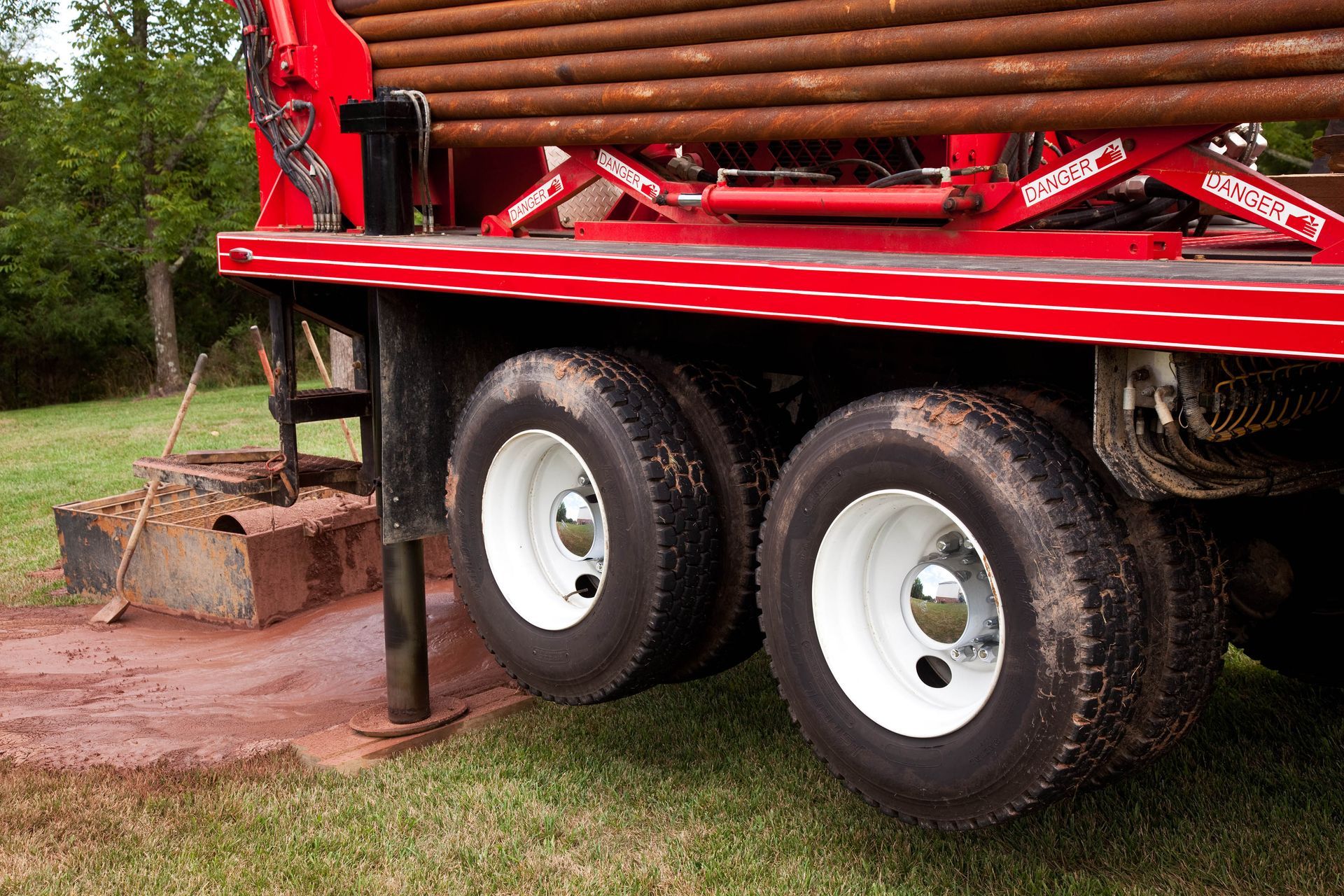
The architectural design must align with the right foundation type to ensure long-term stability. Foundation options like slab, pier, and beam each have advantages based on site-specific conditions. According to Foundation Authority, drilled piers extend through the active zone — commonly 5 to 15 feet deep — to anchor in stable material below, isolating the structure from heave and shrinkage forces. Selecting the right foundation type involves carefully balancing economic considerations with geological and structural needs. Informed foundation choices provide a reliable base for construction, adapting to the unique challenges of the project location.
2.2 Ensuring Structural Load-Bearing Capacity
The foundation must possess the ability to support anticipated load without excessive settlement. Engineers and architects collaborate to determine load paths and safety margins, ensuring structural performance under stress. Calculating load-bearing requirements demands considering not only static weight but also dynamic forces such as wind and seismic activity. Load distribution is of paramount importance in maintaining even support, preventing tilting or differential settlement. This careful design approach leads to durable structures that withstand environmental stressors effectively.
2.3 Integrating Reinforcement Techniques
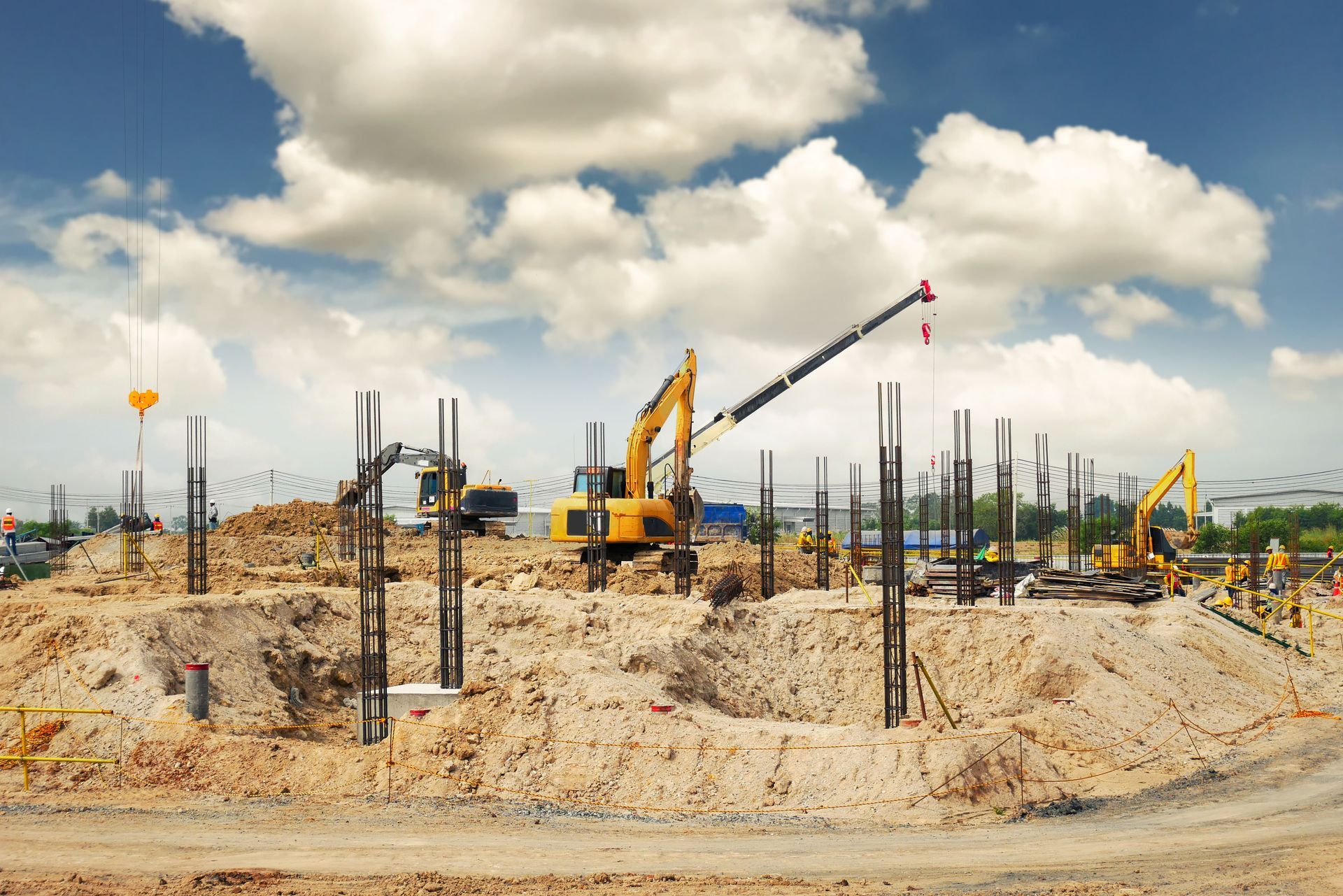
Integrating reinforcement techniques in foundation designs bolsters resilience against settling forces. Reinforcements, such as rebar within concrete support in soil, distribute stress more evenly across the foundation. Reinforcing materials are selected based on compatibility with soil type and the expected structural load, enhancing both tensile and compressive strength. The strategic use of reinforcements minimizes localized pressure, reducing the risk of fractures or uneven movement. Reinforcement techniques are critical in ensuring the longevity and stability of a foundation under stressful conditions.
2.4 Engineering for Soil Expansion and Contraction
Designing foundations to accommodate soil expansion and contraction is crucial for battling foundation settlement. Specific design elements such as expandable joints or cushion layers can effectively mitigate damage from soil movement. The engineering approach involves predicting soil behavior under varying moisture and temperature conditions, implementing solutions that accommodate such changes. By allowing limited movement while providing strong structural support, these features prevent cracking and destabilization. Planning for soil dynamics is an investment in safeguarding buildings against the unpredictability of soil movement phenomena.
3. Employing Optimal Construction Practices
3.1 Preparing Building Pads
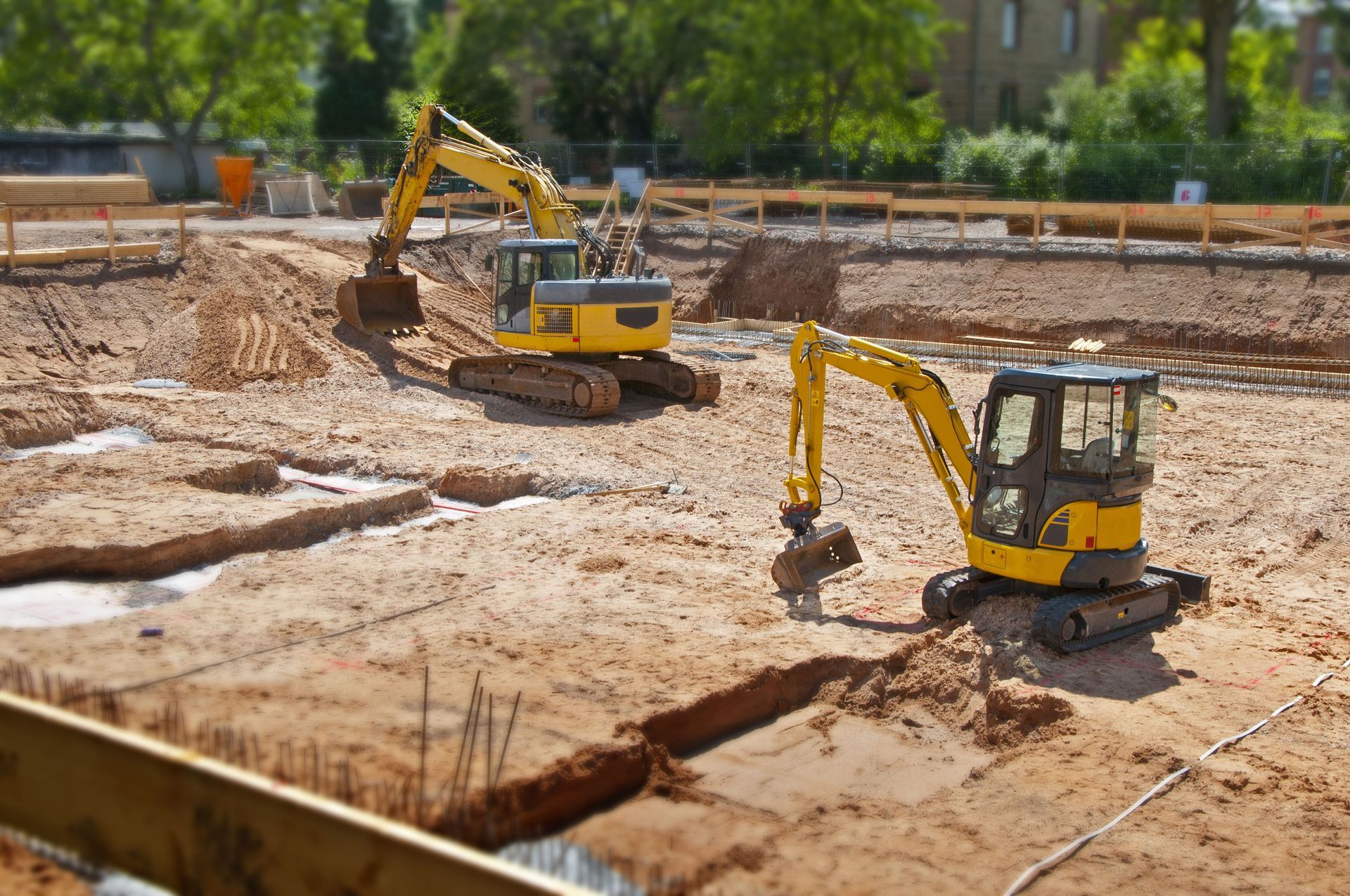
Building pad preparation serves as a bedrock for well-supported foundations. It involves leveling the construction area and solving existing compacted soil issues to enhance stability. Proper pad preparation strengthens the base and aids in load distribution, facilitating even foundation support. Building pads must be checked for compaction levels to ensure they possess required density and stability characteristics. A well-prepared building pad minimizes foundation risks by reducing differential settling and its associated structural problems.
3.2 Controlling Compaction Levels
Controlling compaction levels in soil is integral to forming a firm foundation base. Compaction increases soil density, providing better support for structures and minimizing voids that contribute to settlement. Over-compaction is dangerous, leading to decreased soil permeability and drainage issues, whereas under-compaction can cause uneven load distribution. Careful monitoring of soil compaction through methods like Proctor tests ensures optimal results. The balanced compaction approach creates a resilient groundwork, overcoming inherent soil instability challenges.
3.3 Addressing Moisture Content in Soil
Regulating soil moisture during construction prevents drastic soil volumetric changes. Both excessive moisture and dryness have adverse effects, potentially leading to soil shrinkage or expansion. Properly controlling soil moisture is achieved through drainage techniques and maintaining optimal construction site conditions. The awareness of moisture dynamics promotes consistent foundation performance, enhancing structural integrity. Effective moisture control limits environmental influences on soil condition, maintaining stability and reducing settlement risks.
Preventing foundation settlement requires a holistic approach that integrates comprehensive planning, advanced construction practices, and consistent monitoring. Each step, from initial site assessments to employing sophisticated maintenance strategies, plays a crucial role in sustaining the foundational strength of structures. By acknowledging potential risks early and implementing corrective measures, the longevity and stability of buildings can be assured. Be sure to reach out to Strata Foundation Drilling today to learn more about our professional pier drilling companies!